
As I am talking to women in all walks of life, one common theme I am hearing from everyone is the feeling of some level of burnout that women are battling. Between the demands of work, life, and family, plus everything is more difficult right now due to Covid, women (and many men) are at the end of their limits. Since burnout is affecting so many women, I wanted to chat today about the burnout stages and identify what each stage looks like so you can address and reverse any burnout that you may be experiencing.

What is burnout?
Burnout is defined by the modern medical community as:
“A response to long-term job stress that results in three characteristics: exhaustion, cynicism, and loss of confidence in your ability.”
Burnout manifests itself in people in many different ways. Some common ways burnout can appear are:
- imposter syndrome
- a lack of caring about people and activities you used to care about
- general malaise or apathy
- lack of motivation or desire to do things you enjoy
- short temper or explosive anger
- Hopelessness or a pessimistic attitude
- Physical aches and pains
- Unexplained rashes or hair loss
Burnout is a unique condition that appears in both emotional changes and physical changes. The bottled stress and increase in stress hormones in the body can result in physical signs like rashes, eczema, hair loss, or fatigue.
Each person is unique and the cause of their burnout is distinctive. Watching for changes in people’s personalities and their enjoyment of things in life is the best indication of burnout in people.

Why are so many people showing various burnout stages in 2021?
With the shift in many workplaces since March of 2020, employees are taking on more work, more responsibility, while there are fewer opportunities outside of work to relax and decompress. This is resulting in employees who are unable to shake off the work pressures with fun and relaxing activities, so the pressure and weight of work keeps building up.
Burnout is sneaky and often the signs and symptoms slowly build up over time. Many people may not even realize they are on the track to burnout, because the signs can be so subtle. Often it is a close family member or friend who can see the emotional change in their loved one and brings up the idea of burnout to shine some light on the condition.
Covid has caused the closure or cancellation of so many of the activities in life that were stress relievers to stave off burnout.
Before Covid, if you had a bad week at work, you could shake it off with a concert or happy hour with a friend, or have a relaxing vacation to look forward to. Now, many concert and restaurant venues are closed, friends may not be comfortable spending time in close quarters with other people, and travel is restricted and uncertain right now.
Without these stress relievers, people are stuck in their routines without any novelty or spontaneity to provide any relief to the immense pressure people are facing in their daily lives.
I used research from Winona State University to identify the 5 stages of burnout.

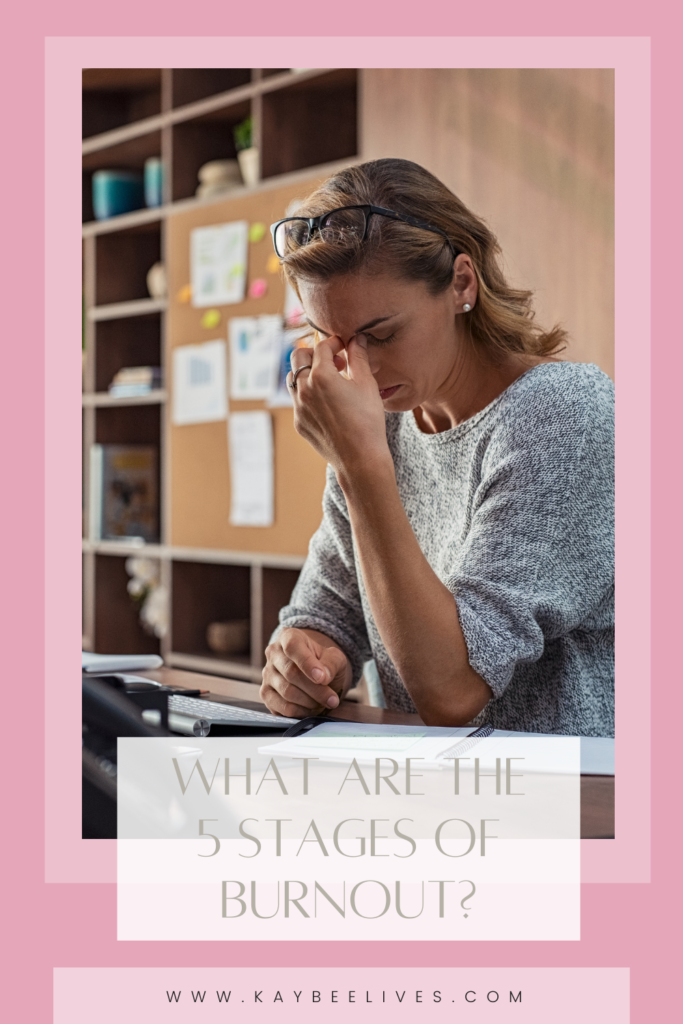
What are the 5 stages of burnout?
Honeymoon Phase
This phase is something we all have experienced. When we start a new job, school, or project there is excitement and energy that leads into this new experience. This is the initial rush of dopamine from the new and novel experience you are having.
This is common for those of us who approach something new with energy and passion. However, this will be a temporary feeling and we can’t keep up with this productivity level in the long term.
All too often, the difficulties and reality of this new project or job set in and lead to the expected weight of stress and responsibility. If you do not have positive coping mechanisms in place to deal with this, then you will move on to the next stage of burnout.
Balancing act
This is where the onset of the stress really begins to sink in. You become aware that some days you are able to handle the stress better than other days. Excitement and optimism may be difficult to find. You may start to see some symptoms like:
- Job dissatisfaction
- Work inefficiency and difficulty making decisions
- Fatigue
- Sleep disturbances
- Escapist type activities like drinking more than usual or zoning out in front of the TV
Once identified, this step can be easily reversed by stepping up your efforts at positive coping mechanisms and making changes to the job or situation causing this stress.

Chronic symptoms
In this step, the symptoms that appeared in the Balancing Act step, have lasted long enough to intensify and be considered chronic. Due to the frequent stress, the symptoms include worsening of symptoms in step 2 plus :
- Chronic exhaustion
- Physical illness
- Anger and depression
At this point, family and friends usually will start to notice the drastic changes and begin to mention those changes or express their concern.
Crisis
As the name of this stage suggests, this is where the symptoms become critical to a person’s wellbeing. You may see:
- Physical symptoms intensify or increase in number
- Obsessing over the stressors in your life
- Pessimism and self-doubting dominates your thinking
- You develop an escapist mentality always looking for a way out of reality
Continuing to cope and live life as you were becoming increasingly difficult at this stage. Usually, this is where someone “breaks” and makes a major decision in life to change the trajectory of their path. Often people who reach this stage need some assistance from family or a qualified therapist to deal with the effects and make changes in their life.
Enmeshment
The symptoms of burnout have become so enmeshed with your own personality that people are likely to label you as having some kind of significant physical or emotional problem.
A common example of this is someone with an “anger management disorder” who has violent and explosive anger outbursts that may actually be enmeshed burnout from years of frustration and helplessness at work.
Once someone reaches this point, they will need professional help from a therapist and drastic changes in their life to reverse the effects.
Those are the 5 stages of burnout as defined by Winona State University and commonly used in medical and therapy practices. Not everyone will follow this exact progression. Depending on the person and the stressors in their life, it is possible to jump past steps or show signs of going backward on the burnout stages.
How do I reverse the effects of burnout?
I am going to dive deeper into this topic in a later post. I will link to it here when it is posted. In the meantime, there are two main ways you can help to stop or reverse burnout.
Here are 5 books that can help you reverse burnout to check out!
- Be kind to yourself and your body. Say “No” to any extra responsibilities or activities, speak kindly to yourself, give your body the TLC it needs to heal.
- Add in some novelty or spontaneity in your life. Now is not the time to plan your bucket list trip for an African Safari, but see if there are a few ways you can shake up your current routine in a gentle way.
- Try a new restaurant or coffee shop in your town
- Take a day trip to a nearby town and explore
- Drive a different way to work for a few days
- Say yes to an invitation to do something with a friend as long as you feel safe and comfortable with the activity.
Burnout is going to be an all too common part of life in the ’20s. The best thing we can do is to be on the lookout for the burnout stages in ourselves and in the people in our lives. By understanding the 5 stages of burnout, we can be better equipped to catch burnout early and not let it get all the way to the crisis or enmeshment stages.
Have you faced burnout at some level before? How did you handle it at the different burnout stages and what worked for you to reverse it? I would love to hear ideas in the comments below or over on our Instagram page!

Thanks for your tips about recognizing the 5 stages of burnout. My go-to solutions are books and prayer. I definitely need to be vigilant about making too many commitments.
Reading is one of my go to solutions too! A couple of hours of guilt-free reading time will set me back to a better frame of mind! Thanks for sharing what works for you!
A great read on realizing the 5 steps of burnout. SO many people are experiencing issues due to COVID and your ideas on reversing the effects of burnout are great. Something as simple as changing the way you drive to work can really do wonders. I also turn to prayer and try to do fun new projects with my grandchildren to break up the stress. Thanks for the good read!
I am hearing burnout on different levels from EVERY person in my life right now. It is just a hard time for everyone for different reasons. I hope you get some quality grandchildren time this weekend to enjoy! Kids are amazing at getting adults to relax and have fun!
Yes! This topic of burnout is so necessary to be talked about. I like how you have explained how it can manifest. I have experienced some of the ‘symptoms’ and only realised later that I was experiencing burn out. We really need to pay attention to our bodies and internal indicators.
I am still working on getting better at listening to my body and looking for the source of the symptom rather than just treating the symptom. Often the source is busyness, stress, or burnout and I need to take a break for a bit. Thanks for sharing your wisdom!
Thank you so much for your tips! I have been feeling burnout for some time now and am starting to put some things in place to rectify it. Thanks again for sharing!
I am glad you are noticing it and can catch it early!
So important to talk about burnout. And to find the early stages. Thank you for sharing ❤️
What a helpful read on the 5 stages of burnout! COVID has definitely made things worse for us all. My main solution at the moment is local travel: I love visiting new parks, nature preserves, and outdoor historic sites. I feel safe and adventurous at the same time!
Travel is a great one! Pre-Covid I would fly to far corners of the world, but in the past 18 months, I have been exploring more local places I can drive to and it has been really fun! There is so much to see and do everywhere! I hope you can escape and find somewhere new to experience this weekend!
This is a very helpful post! I have been feeling a bit of apathy lately, and this really isn’t my usual self. I’m an avid traveler, and COVID concerns have really limited our traveling in the past year and a half. I’m realizing that some kind of safe travel trip is definitely in order!
Exploring a new place (even if it is close to home!) gives your brain something new, exciting, and can help you smooth over that rut you are feeling! And there are many safe ways you can still experience some travel these days. I was an avid world explorer pre-covid, and have noticed myself slipping into apathy about traveling recently and know I need to take a day or weekend trip somewhere new to fight it! Have fun exploring!
I experienced this too after the crazy last year. I went from 1 to 5 so quickly; the only way to try and save myself was to take a break from everything. The only thing I still had to do was homeschooling in lockdown, and I had barely any energy left for it. Never before was burnout so acute, I have to admit:(
I responded in a similar way and cut out almost everything else I did. I just kept the bare minimum and still felt like I could barely keep up! I hope things are getting better for you friend!
This is a good reminder to help catch burnout before it’s too late. The last two years have been tough in a totally new way and seeking ways to relieve stress is important.
Absolutely! Taking a few moments to check in with yourself will go a long way in keeping you in tune with where you are on the 5 stages of burnout!
Thanks for sharing your tips on the 5 stages of burnout. This is real and happening to so many people. I have learned to take one day at a time and not to overschedule my days with a lot of things/activities that can be spread out and done later.
Thanks for sharing what works for you! Taking things one day/step/activity at a time is a great tip on how to reduce the effects of burnout!
I love this post! Recognizing the signs of looming burnout is so important! You need to get laser-focused on the uncomfortable and take action now before you become too enmeshed in it. Such good tips to help you move through your symptoms and get back to your old self!
Thanks for sharing! Unfortunately, many of us experienced burnout, some more, some less… Looking after our body and listening to it is so important. Physical illness can have a big impact on our mental health too. Slowing down and looking after ourselves is so important in this busy world. Thanks! Journeyofsmiley.com
This is so important, expecially as we age! Most of us can’t keep going at the same speed when we are 40 and 50 as we did when we were 20 and 30. We need to be mindful to the signs and look after ourselves. Thank you for sharing!
Absolutely! I notice as I am getting later into my 30’s that it takes me longer to recover and bounce back from crazy days which can lead to different stages of burnout!