
I think everyone has noticed that so many of our grocery items are more expensive than they were 6 or 12 months ago. With shipping interruptions and inflation increasing costs of ingredients, costs everywhere are going up for us, the end consumer. Here are 14 frugal food hacks you can use to fight inflation.
As individuals, we are limited in our influence on national effects like inflation and shipping channels. While we individually can’t do anything about inflation or shipping costs, we can make some changes in our cooking habits and meal planning to reduce what we are spending on food.
By being aware of the increased costs, and making some alternate choices in our food selections, we can still eat well without drastically increasing our food budget. We have seen many ways of how small changes in our lives can help us save and grow our wealth.
These tips come from the opposite perspective. By making changes to keep our food budget in approximately the same place it was, we can continue to contribute to our wealth plan without having to reduce our savings percentage or cut other areas of our budget that are really important to us.
Before we get started, decide what changes you are not willing to make.
Take some time to think about what you buy at the store and what parts of your purchases are really important to you. If you buy only organic produce, is that because it looks nicer, or is it a core belief that you are not willing to change even if prices for organic produce increase significantly.
What are your deep core beliefs around the food you consume and purchase? Of those, what are you willing to be flexible on to save money and what are you not. By identifying those boundaries ahead of time, you can save time and stress at the grocery store while you are making decisions on what to buy.
For me right now, I am focusing on eating more “real” foods and less processed foods. I am spending my shopping energy looking for the cheapest prices on simple basics, and not wasting my time on prepared foods, mixes, or other convenience or highly processed foods.
Frugal Food Hacks to Fight Inflation
Look for cheaper food swaps
Before you make a recipe, look at the most expensive ingredient (usually it is the meat) and see if there is anything you can substitute for all or part of it.
- Lentils or beans are great ingredients to substitute or stretch ground meat.
- If you find a deal on ground chicken or turkey, substitute it for ground beef.
- Add extra seasonal veggies to any soup to stretch it for an extra serving or two.
- See if a cheaper cut of meat will work in place of a more expensive roast.
By making swaps, you will still get the core of your recipe and will probably not even notice the swap while you are enjoying the meal.
Design meals around the “loss leaders” in the weekly ad at your grocery store
Each week stores will put 3-5 items on super sale as an incentive to get you into their store. Often there is one meat and a fruit or veggie item. Focus on meal planning around these items. Usually, these are found front and center featured in the weekly ad for each grocery store.
Looking at my local Safeway ad last week, I found pork loins for $1.49 a pound and bottled BBQ sauce on sale for $0.89 per bottle. So, my main meal this week will be crockpot pulled pork and eaten in the form of sandwiches, wraps, tacos, and salads spread over the week. Additionally, they had ground turkey on sale for $1.99 a pound. Ground meat freezes fabulously so I will buy a few pounds to put in the freezer for future recipes.
Get creative and try new things
Try new ingredients or recipes that are more budget-friendly than your traditional ingredients. Foods like lentils or chickpeas are so cheap and versatile. They can be added to so many different regional dishes in addition to or to replace meat.
Start small with some of these new ingredients. Don’t buy a 5 lb bag of lentils if you have never had them before! Find a recipe that sounds delicious, then use your grocery bulk section to buy just what you need for that recipe.
My favorite frugal food hacks are to crowdsource your network for ideas. If you have a friend who is into cooking, ask them for tips on how to cook new foods you are trying. Maybe, they will even invite you over for a cooking lesson and dinner so you can try it out! I love sharing new foods with friends!
Focus on seasonal fruits and veggies
Foods grown locally and produced in abundance will always be the cheapest in the store. This usually translates to whatever is in season in the area you live in. Focus on buying these seasonal items when they are in season to get the best quality and price on produce.
Some basic fruits and veggies are consistently priced all year long. These are things like apples, bananas, lettuce, and carrots. Supplement and rotate those into your fruit and veggie purchases when the seasonal produce is between seasons or too expensive. Here is a great list from the USDA of what produce is in season when.

Look for purchasing options besides your local grocery store
Grocery stores are the most common locations to buy food in the US, but far from the only place. Look for alternative options in your area like
- Farmers markets
- Direct from local growers/farmstands
- CSA boxes
- Ethnic grocers
- Discount stores or dollar stores
- Online (but make sure you factor in shipping costs)
Avoid food waste
I talk about this so often, but here it is again! Food waste is preventable and expensive for your food budget! Use these tips to prevent food waste and check out these meal ideas that are great to use up random bits in your fridge that often lead to food waste. There are a ton more frugal food hacks in these two food waste posts!
Use your freezer or other preservation methods
Become familiar with how you can extend the life of the food you buy. Using the freezer is a great option for many things. Often you can either put the raw food in the freezer (packaged to prevent freezer burn) or cook the food in some way and freeze the cooked product.
Dehydrating, curing, or canning are all other options of ways to extend the life of your food. Spend some time looking up tips and instructions online for these options. Google is a great friend when you are learning something new!
Look for budget-friendly recipes on food blogs
There are several food blogs that have a ton of recipes that prioritize low-cost ingredients. I love that I can pick any recipe and know there will not be any obscure or ridiculously expensive ingredients needed. When you are looking for recipe ideas, start with a few of my favorite sites:
Grow what you can
Unless you have lots of land, skills, and time you are not going to be able to grow all of your food. But, most anyone can grow some of their food and save a little money with it. Even having a couple of small planters outside will allow you to grow herbs, lettuce, or even small “bush” sized tomatoes or bean plants.
Focus on growing foods you love and eat frequently. For me, I prioritize lettuce, spinach, and tomatoes to save me money on my salads all summer long!
Be smart with the spices you buy
Spices can be the most expensive part of some meals, but also the most important. Be intentional with the spices you buy and follow these money-saving tips so that you can save money on spices and use the savings to stretch your grocery budget further.
Buy in bulk or stock up on things you know you will use
Buying in bulk can save significant money, but only if you use all of the product before it goes bad. I have been guilty of stocking up on something that I only eat occasionally and end up having to give a bunch away or throw it away when it goes bad. Be smart and intentional about stocking up!
See if the homemade version is cheaper and works for you
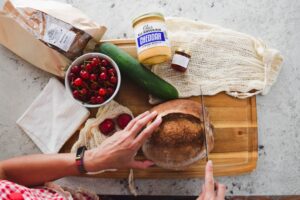
Homemade versions of foods like bread, yogurt, and granola can save you significantly over the storebought versions. However, they take time, effort, and mental energy to prepare. Experiment and try out different ideas to see if you can find a process that works best for your flow and the stage of life you are in.
A great example is a loaf of bread. It is anywhere from $1.00 to $5.00 at the store. A basic loaf of bread can cost a quarter ($0.25) in raw ingredients but takes about 3 hours of time to mix, rise, and bake, but only about 15 active minutes of your time.
If you are at home for a large part of the day, it is easy to fit the time to mix, knead, and bake into the tasks you are already doing. But, if your job/commute has you away from the house for 12 hours a day, the last thing you want to do when you get home is stay awake for 3 more hours while your bread does its thing.
Try out different bread recipes. Maybe a slow-proof recipe would work better for you where you mix it one night, it rises in the fridge for 24 hours, and then you bake it the second night. Or, maybe your diet includes minimal amounts of bread, and you just buy a loaf from the store occasionally and store it in the freezer when you need a piece or two.
Everyone is unique in their time, skills, and needs. Don’t force yourself to make bread at home when it doesn’t fit with your life right now.
Utilize frozen fruit and veggies
Frozen fruit and veggies have all the nutrition of fresh, but are often cheaper per pound or ounce. The texture is different, but they are still great to use in anything that will be cooked. Plus, you can watch for sales, and stock up. Since they are frozen, they will last much longer in the freezer than they would have fresh. Here are some great ideas of veggie side dishes you can use to get inspired!

Pay attention to the nutrition bang for your buck.
Focus on buying food with the most nutrition and is the most filing for you. Foods like chips and soda have minimal nutrients for your body and provide “empty calories” when compared to foods like apples, nuts, and chicken breasts. Redirect most of your grocery spending to nutritionally dense foods, and save the empty foods for occasional treats or when you find them at a super sale price.
With the current economic uncertainty and lingering delays from the pandemic, inflation is not going to decrease any time soon. There are frugal food hacks and ideas all over! Take this opportunity to maximize and streamline your grocery spending so your budget can go further without feeling deprived.
What are your favorite frugal food hacks? I would love to hear them in the comments below or over on our Instagram page! Together we can learn from each other and make smart changes!

PIN ME!


I love these ideas! I do most of them already and they make such a difference by saving money.
Thank you! Small steps can make a big impact when you combine them all!